Artificial Intelligence: Transforming the Present, Shaping the Future
Introduction
Artificial Intelligence (AI) is no longer a futuristic concept confined to sci-fi movies or academic research. Today, it’s embedded in our smartphones, reshaping industries, and quietly driving decisions across countless sectors. From chatbots to self-driving cars, AI has become a powerful force that’s transforming how we live, work, and interact.
What Is Artificial Intelligence?
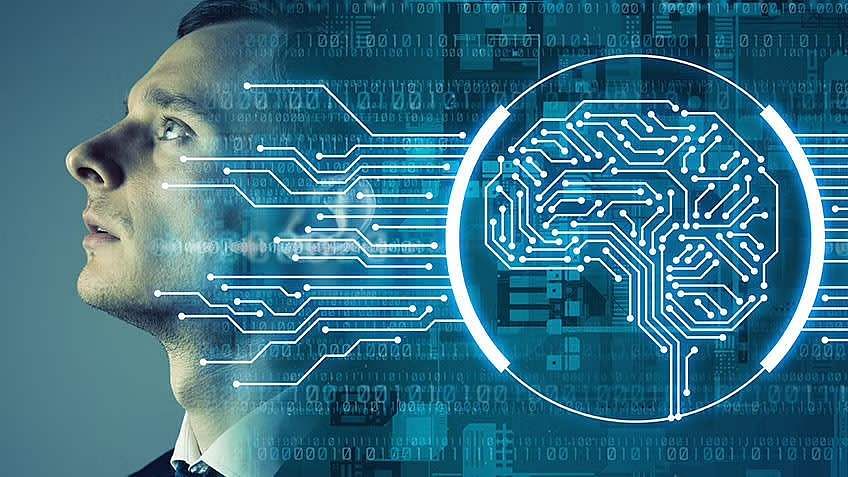
Artificial Intelligence refers to the simulation of human intelligence in machines. These systems are designed to perform tasks that typically require human cognition—like learning, reasoning, problem-solving, perception, and even creativity.
At its core, AI encompasses:
- Machine Learning (ML): Algorithms that allow systems to learn and improve from experience.
- Natural Language Processing (NLP): The ability of machines to understand and respond to human language.
- Computer Vision: Teaching machines to interpret and process visual information.
- Robotics: AI-powered machines performing physical tasks, often in automation or manufacturing.
Everyday Applications of AI
AI is already all around us. Here are a few common examples:
- Voice Assistants: Siri, Alexa, and Google Assistant use AI to recognize speech and respond naturally.
- Recommendation Systems: Netflix, YouTube, and Spotify suggest content based on your behavior.
- Smart Homes: AI-powered thermostats and security systems adapt to your habits.
- Healthcare: AI assists in diagnosing diseases, personalizing treatments, and analyzing complex medical data.
- Finance: Fraud detection systems and algorithmic trading rely heavily on AI models.
The Business Impact of AI
AI is not just a technological breakthrough; it’s a business revolution. Here’s how:
- Automation: AI reduces repetitive tasks, boosts efficiency, and lowers costs.
- Predictive Analytics: Businesses can forecast trends and customer behaviors with unprecedented accuracy.
- Customer Service: AI chatbots provide instant responses and personalized support, improving user satisfaction.
- Marketing Optimization: AI tools analyze data to run better-targeted ad campaigns and increase ROI.
Ethical Challenges and Considerations
Despite its advantages, AI also raises significant ethical and societal concerns:
- Bias and Fairness: AI systems can inherit human biases present in training data.
- Privacy: AI applications often require access to vast amounts of personal data.
- Job Displacement: Automation threatens to replace certain job roles, especially in manufacturing and administrative sectors.
- Accountability: When AI systems make decisions, who is responsible for the outcome?
Responsible AI development demands transparency, inclusivity, and robust regulation.
The Future of AI
As AI evolves, its potential grows exponentially. Here’s what lies ahead:
- General AI: A form of AI that can perform any intellectual task a human can do (still a work in progress).
- AI in Education: Personalized learning experiences, AI tutors, and virtual classrooms.
- AI in Creativity: From AI-generated music and art to co-authored novels.
- AI & Climate: Optimizing energy usage and helping fight climate change with smarter solutions.
The integration of AI in emerging technologies like quantum computing, IoT, and augmented reality will unlock even more possibilities.
Conclusion
Artificial Intelligence is not just a buzzword—it’s the engine driving a new wave of innovation. Whether you’re a tech enthusiast, a business owner, or a curious observer, understanding AI is crucial in today’s digital age. As we move forward, embracing the benefits of AI while addressing its challenges will be key to building a smarter, fairer, and more connected world.